
LWTIN · Dehua, Fujian, China · English buying guide
Wholesale ceramic sourcing for retailers, importers and brands
Build a ceramic giftware or home decor range around your market, not just a product photograph. LWTIN coordinates ceramic development, sampling, production follow-up, quality control and export preparation from Dehua, China.
Use this guide to compare sourcing routes, prepare a private-label brief and agree the details your buying, quality and logistics teams need before placing a wholesale order.
Choose between existing products, private label and OEM/ODM
An existing shape with a new finish has different approval points from a new sculpted design. Define the development route before comparing unit prices.
| Buying decision | What to agree with the supplier |
|---|---|
| Existing product references | Select product references, size, quantity per SKU and intended use. Ask which specifications, finishes and packing options apply to the selected design. |
| Private-label ceramic collections | Agree logo artwork, colour references, decoration position, labels, gift-box artwork and approval samples. An existing form does not automatically imply exclusive rights. |
| New OEM/ODM development | Provide your authorised sketch or reference, target dimensions and functional needs. Confirm mould development, tooling ownership, sample revisions, charges and any agreed exclusivity in writing. |
Plan a range that your retail and distribution teams can buy
For a multi-SKU programme, specify the assortment rather than only a total order quantity. A coordinated ceramic collection can combine mugs, planters, decorative vessels or seasonal giftware, but each product needs its own confirmed specification.
| Buying decision | What to agree with the supplier |
|---|---|
| Assortment and quantities | Identify hero products, supporting shapes, sizes, colours and quantity per SKU. Separate the initial order from any repeat-order forecast; a forecast is not a reserved production slot. |
| Price and quotation basis | State target price, currency, packing and delivery destination. Ask whether samples, tooling, testing, freight and other charges are included or separate. Compare quotations on the same basis. |
| Launch and shipment planning | Work backwards from the requested retail launch or shipment window. Agree sample review, artwork sign-off, production and inspection dates with the team; a seasonal range is not a promise of stock or delivery. |
| Brand and design rights | Use artwork and character references you own or are authorised to use. Confirm any design licence, private-label requirement or exclusivity before development. |
Set product-specific quality, testing and retail packaging requirements
Share your buying manual or relevant requirements early. Decorative ceramics, food-contact mugs, planters and lanterns have different uses and risks. A general factory statement cannot replace a report or sample approval for the actual item.
| Buying decision | What to agree with the supplier |
|---|---|
| Material, finish and function | Confirm ceramic body, dimensions, capacity where relevant, glaze and decoration. Review stability, handles, drainage, openings and projecting details on the selected sample. |
| Destination-market requirements | Identify the destination, intended use and required product testing. Ask the team to confirm the testing scope and availability of supporting reports. Do not assume food safety, microwave suitability or dishwasher resistance without product-specific confirmation. |
| Inspection and approval standards | Agree the approved sample, visual tolerances, measurement checks, inspection stage and acceptance criteria. If your programme requires an independent inspection or supplier audit, raise that requirement before order approval. |
| Retail and transit packaging | Specify individual or bulk packing, barcode and labelling, inserts, inner protection and master-carton requirements. Assess fragile handles, lids and sculpted details as part of the product-plus-packaging arrangement. |
| Export handover | Confirm carton dimensions and gross weight when available, shipping marks, delivery destination, required commercial documents and the agreed Incoterm. Final logistics details follow the confirmed packed product. |
Read about the quality-control workflow and include your inspection and packaging requirements in the project enquiry.
Use clear approval milestones from brief to shipment
- Brief and feasibility: share references, intended market, quantities, target price and requested timing. Confirm the development route and project-specific MOQ.
- Sample and artwork review: resolve form, finish, dimensions, decoration and packaging. Record the approved sample and any agreed revisions.
- Written quotation and order approval: confirm scope, tooling, tests, packing, delivery basis and payment milestones before authorising production.
- Production and quality follow-up: agree review points and inspection requirements against the approved specification.
- Packing and dispatch preparation: review agreed packing and shipping documentation before the confirmed shipment handover.
Orders remain quotation-led. Payment is arranged after the quotation and commercial terms have been confirmed; browsing a reference does not place an order.
Start with a relevant ceramic collection
These are product references, not a guarantee of availability or specification. Open a reference to review its images and include it in your enquiry.
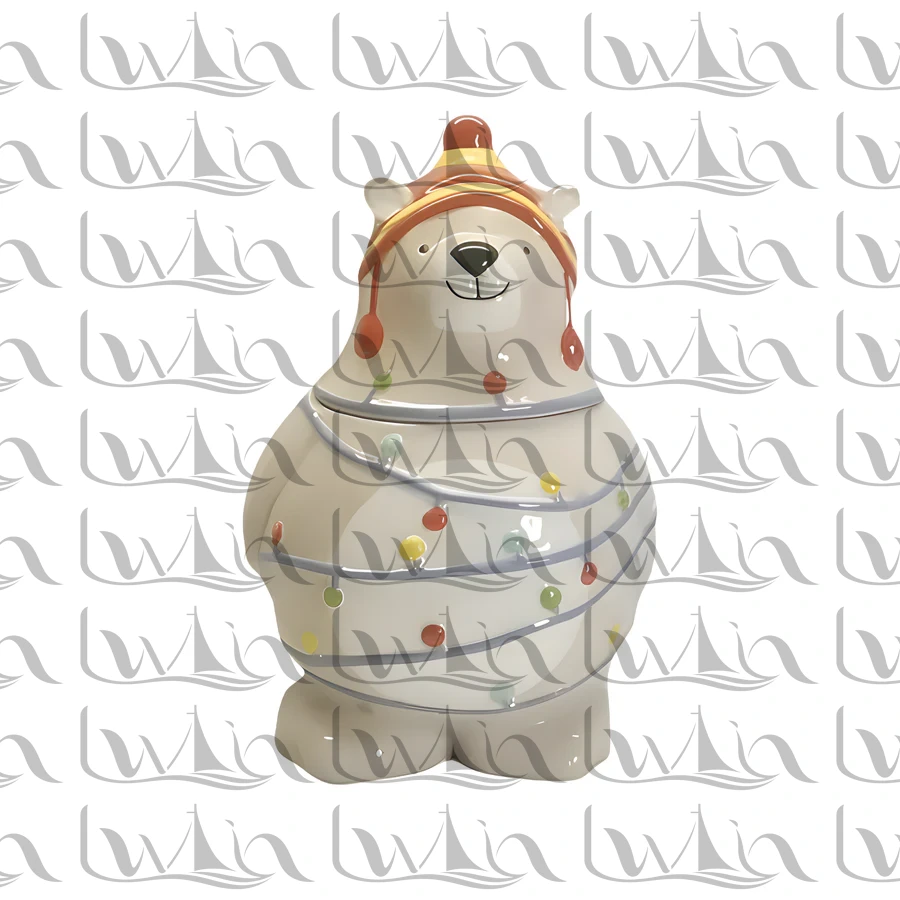
Grey Christmas Ceramic Figurine
Reference LWT-1134
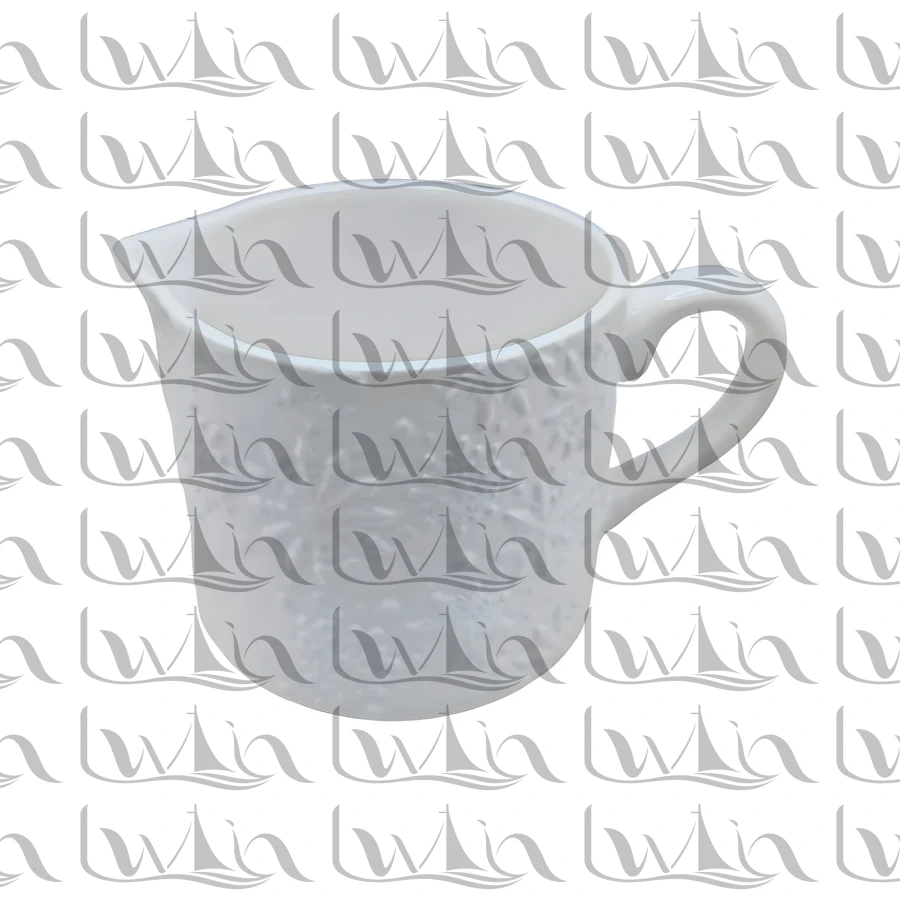
Grey Christmas Ceramic Mug
Reference 4B01046B
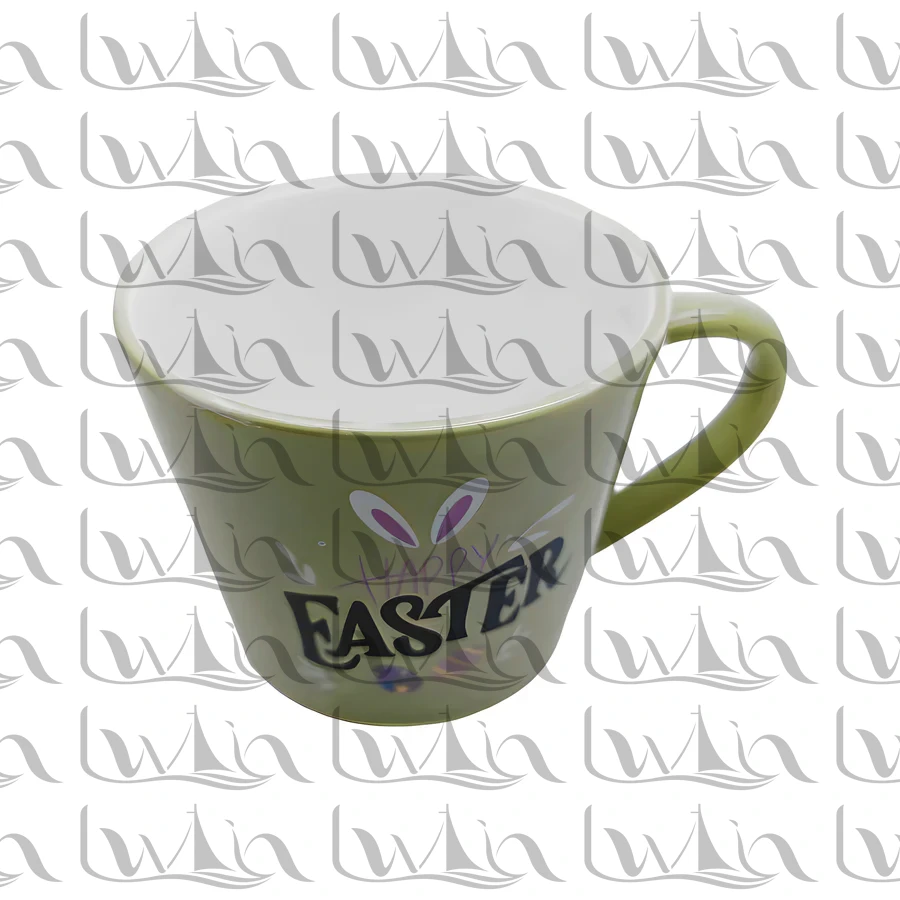
Grey Easter Ceramic Mug
Reference E6FA2B99
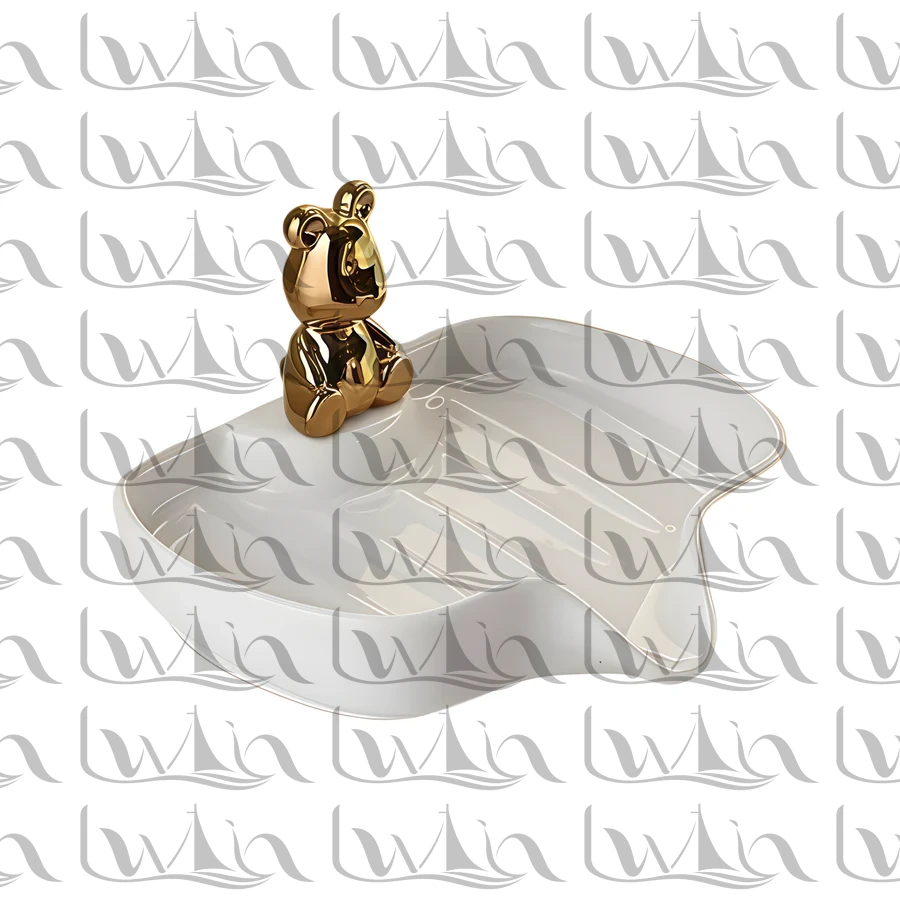
Brown Easter Ceramic Trinket dish
Reference LWT-1309
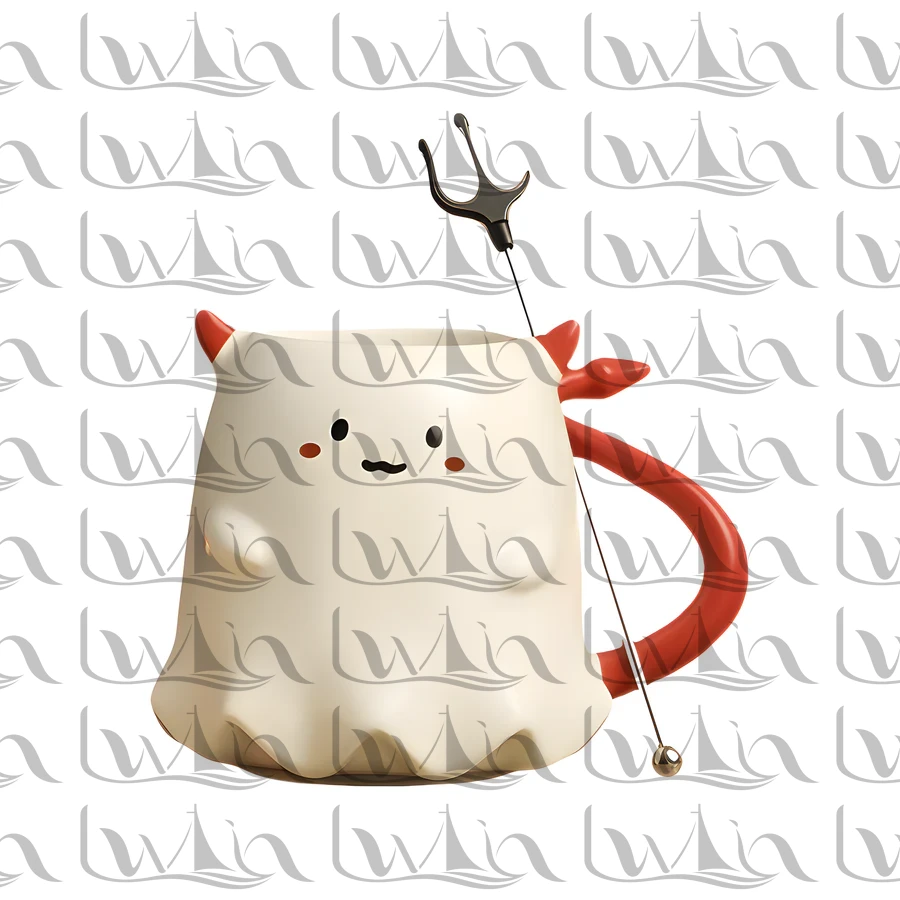
Pink Halloween Ceramic Figurine
Reference LWT-282
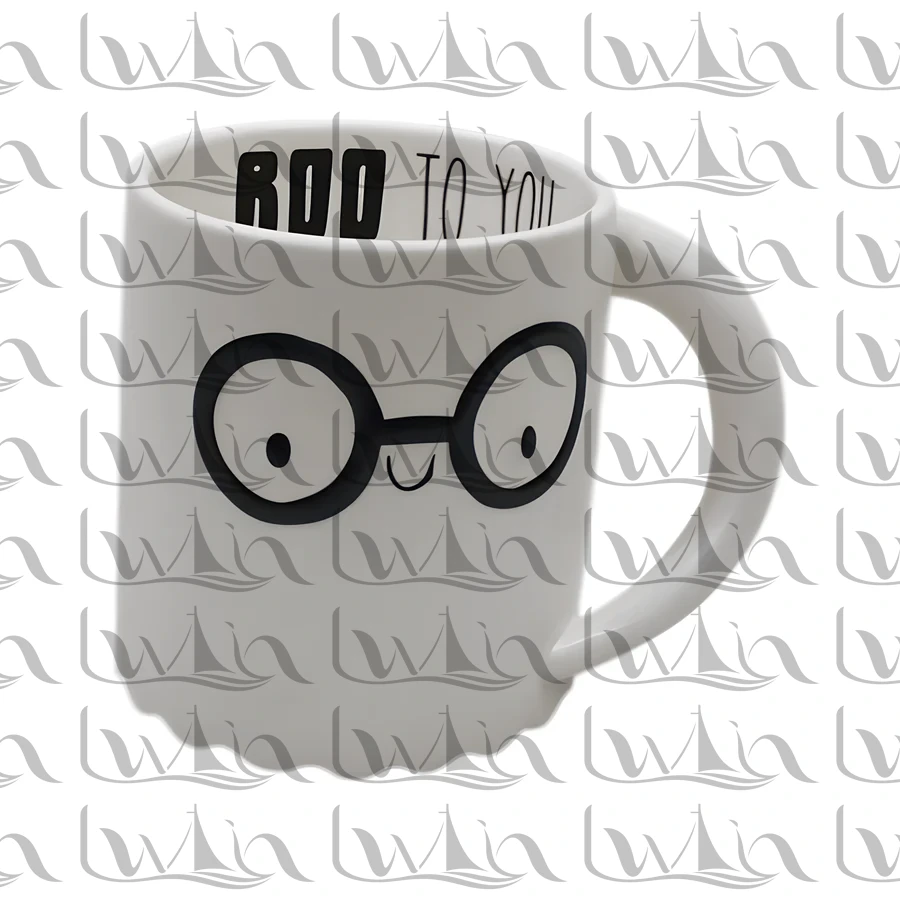
Grey Halloween Ceramic Mug
Reference SYT-1195
Christmas ceramics · Easter ceramics · Halloween ceramics · Mugs and cups · Vases and planters
Questions from retail and wholesale procurement teams
Can I source a private-label ceramic range?
LWTIN supports enquiries for logo, decoration and packaging customisation, as well as new-form development. Send the SKU plan, quantities, artwork, intended market and delivery requirements so the team can confirm the feasible route and quotation.
What MOQ and lead time should I plan for?
There is no single MOQ or lead time for every product. The selected body, finish, tooling, quantity, sample revisions, tests and packing affect the proposal. Ask for project-specific figures and an approval schedule before committing to a launch date.
Can you meet our compliance or supplier-audit requirements?
Send the exact market, product use, requested tests and audit requirements for review. Ask for applicable documentation and clarify what must be arranged for your project. This guide does not claim universal certification or approval by a retailer.
Can I approve one sample for all future orders?
Agree the approved specification, physical reference and acceptable variations for the order. Repeat orders should reconfirm quantities, decoration, packaging and any changes to material, process or testing requirements.
What should our first RFQ include?
Provide your company, destination market, product references, quantity per SKU, target price and quotation basis, intended use, logo and packing requirements, and requested shipment window. Use the downloadable brief to keep buying, quality and logistics requirements together.
Bring one clear brief to your supplier review
Download the ceramic sourcing brief, then send the project to LWTIN or email sales@lwtin.com.